

The memo was published on a Thursday, April 23, 2026, and it read like the majority of corporate dispatches these days: cautious, a little bloodless, and full of references to “speed, simplicity, and precision.” The messenger was Nike’s chief operating officer, Venkatesh Alagirisamy. There were 1,400. The majority of them work in technology. Technically speaking, less than two percent of the world’s workforce, but when you’re one of the people receiving the HR call, that statistic seems smaller than it actually is.
The Philip H. Knight Campus in Beaverton and the Nike India Technology Center are the two hubs where Nike is currently concentrating its tech presence. The supply chain for materials is being integrated into clothing and footwear. A portion of Converse’s manufacturing is getting closer to its factory partners. The Air Manufacturing Innovation facilities are being “streamlined,” which almost always translates to fewer desks and chairs.
At a company that, for the majority of its existence, hardly ever let anyone go, there have been major layoffs for the fourth year in a row. People who have lived in Beaverton for a long time will tell you how Nike used to feel: parking lots were always full, the campus operated with a restless, caffeinated optimism, and new buildings were being built faster than anyone could name them. Nike is no longer quite like that.
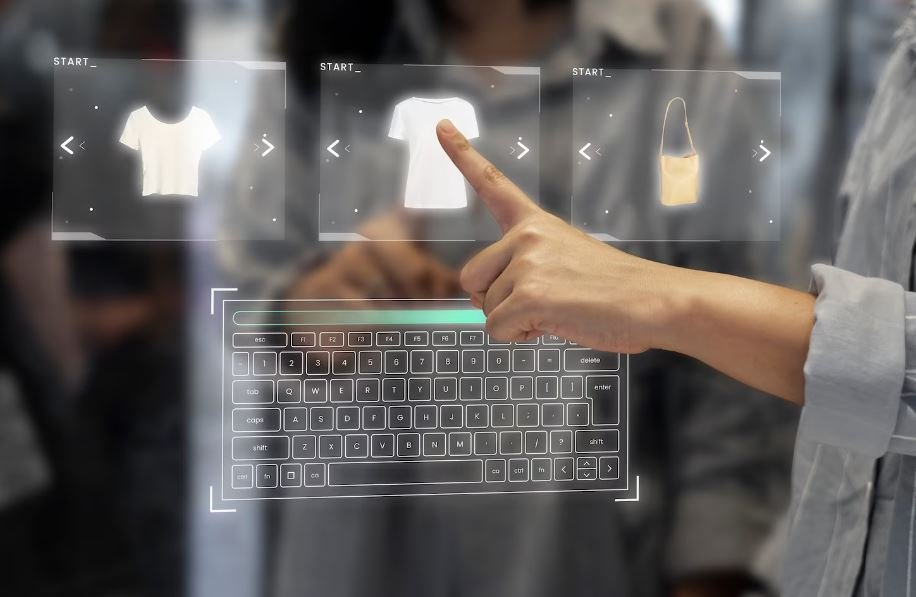
Something stranger is taking its place. In his note, Alagirisamy discussed “using more advanced automation where it helps us work better.” That is the aspect that is receiving less attention than it ought to. There is more to the cuts than just financial savings. They are about determining that software that doesn’t require a desk in Oregon can now perform a significant portion of the human labor that went into creating Nike’s digital store, loyalty app, and supply-chain dashboards.
Since taking over as CEO in October 2024, Elliott Hill has made it clear that the return will not be straightforward. He is correct. Following five quarters of declines in sales, the company reported two quarters of growth before releasing a mixed earnings report in March. It appears that investors think the worst is coming. The layoffs tell a different story than the stock.
There is a pattern that is worth observing. Earlier this year, Nike dismissed its chief technology officer and moved the entire tech department under operations. It’s easy to see that technology at Nike is no longer something distinct, unique, or having its own place at the table. Plumbing is the issue. Additionally, automated systems that were trained on the data that those 1,400 people initially assisted in gathering are increasingly handling plumbing.
Not just at Nike, but throughout the retail industry as a whole, this tale is unfolding. The new CEO of Best Buy recently informed employees that the company is no longer “just a retailer anymore.” Walmart is reorganizing its leadership in operations. The CEO of Dollar Tree is adopting a strategy “built for environments like this.” The same thing is taking place behind the corporate jargon: fewer employees, more software, and the silent assimilation of routine knowledge into machine systems that don’t take weekends.
The question of whether this truly works is more difficult to read. Automation works well at scale but poorly at taste. Logistics and back-end inefficiencies haven’t been Nike’s main issues in recent years. There has been a gradual decline in sales and a perception that sneakers are no longer necessary. It’s still unclear if that can be resolved by a leaner, more algorithmic operations team, or if it merely conceals the true problem behind a more organized dashboard.
As this develops, it seems as though retail is subtly changing its own regulations. Strategists and designers were not among the 1,400 names on Thursday’s list. The engineers, analysts, and operators were responsible for maintaining the machine. Parking spaces are not necessary for their replacements. No one in Beaverton is yet able to respond to the question of whether they can create a better Nike.
