

It seems almost silly for a 40-gram drone to be hunting mosquitoes in the air. Still, it’s hard not to think that something real is going on when you see the video from Tornyol Systems of a small self-driving drone going after a moth in what the company calls its first confirmed air-to-air kill. Not because getting rid of mosquitoes is a simple goal. It’s not. More than 700,000 people are killed by mosquitoes every year, which is more than all the people killed in all current wars put together. Over 700 million people also get diseases from mosquitoes every year. But the technology that makes this little drone work is what we should really look at more closely.
The Tornyol platform is based on a phased array sonar base station that uses 380 smartphone microphones and an Artix-7 FPGA. This is the type of field-programmable gate array that you’d normally find in industrial equipment, not in your living room tracking bugs by the beat of their wings. The system can pick up on movements as small as 0.1 millimeters, and the unique sound of mosquito wings makes them easy to tell apart from other flying insects. At the moment, commands are processed on a regular PC, but the company has said that embedded hardware deployment will happen within weeks. They want to cut the cord all the way through.
Take a moment to think about that detail. The change from operating with a PC to fully autonomous operation built in is the same big step that drone delivery companies have been struggling with for years. It’s one thing to get a drone into the air. The harder problem is getting it to plan, decide, adapt, and land without a person being involved. This is a computer problem more than anything else.
Microcomputers of today power the drone deliveries of tomorrow in a way that seemed like something out of science fiction just five years ago. Companies like Wing, Amazon Prime Air, and Zipline have put a lot of work into making the processing load that is needed to fly delivery routes by themselves much smaller. Tornyol shows that the hardware has improved to the point where a small company can now make a consumer-level autonomous hunting drone with sonar arrays, onboard signal processing, and 3D mapping of the environment. If that’s possible for a target the size of a mosquito moving around in a room, then delivering a package to a known GPS coordinate looks pretty easy.
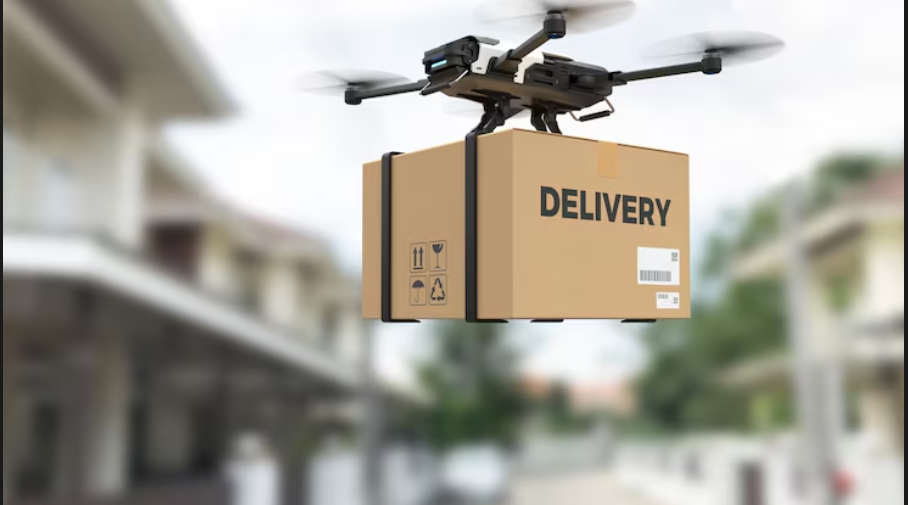
This fits into a bigger pattern that is not hard to spot. The parts that are being improved for one use keep showing up in another, but with some small changes. The same FPGA families that are used in radar and telecom are now being used in micro-drones. Tornyol can track bugs up to 26 feet away with the help of car park assist sensors, which are the same technology that makes parking lots beep. Cross-pollination like this is how useful technology usually gets better. Not by a sudden invention, but by using something in a way you didn’t expect.
In the U.S., Tornyol is currently selling its system for a $100 deposit that can be returned. The price is $50 per month or a one-time fee of $1,100. Based on those numbers, it looks like this is still early adopter territory and not mass deployment. However, the path seems familiar. The first Roombas were expensive and hard to use. The first GPS devices were about the size of a shoebox. Most of the time, the steepening of the miniaturization curve happens faster than people think it will, especially once commercial demand covers the cost of R&D.
It’s still not clear if self-driving drones will really solve last-mile delivery on a large scale or if they will just stay interesting as a pilot project for another ten years. Problems with regulations, managing airspace in cities, and the reliability of the weather have not been completely solved. But seeing a 40-gram computer chase a moth through the air and make a choice in real time makes it hard to ignore what is being built. There are more and more useful little machines taking to the sky. As for what they carry next, that’s mostly up to your imagination and government.
