
Close Menu
Cubox-iCubox-i

    Subscribe to Updates

    Get the latest creative news from FooBar about art, design and business.

    What's Hot

    Quantum Algorithms Just Outperformed Deep Learning. The Paradigm is Shifting.

    April 25, 2026

    Why Earning an AI Certification is the Ultimate Professional Pivot for 2026

    April 25, 2026

    The Pick-and-Shovel Stocks Positioned for the Quantum-AI Convergence That Nobody on Wall Street Is Covering Yet

    April 25, 2026
    Facebook X (Twitter) Instagram
    Cubox-iCubox-i
    Subscribe
    • Homepage
    • Privacy Policy
    • Terms of Service
    • Disclaimer
    • About Us
    • Cubox
    • News
    • Technology
    Cubox-iCubox-i
    • Home
    • Buy Now
    Home»Technology»Apple’s Hidden Server Farm: The Secret Hardware Powering Private Cloud Compute
    Technology

    Apple’s Hidden Server Farm: The Secret Hardware Powering Private Cloud Compute

    Blaze WoodardBy Blaze WoodardApril 25, 2026No Comments4 Mins Read
    Facebook Twitter Pinterest LinkedIn Tumblr WhatsApp VKontakte Email
    Share
    Facebook Twitter LinkedIn Pinterest Email

    When you read Apple’s own description of Private Cloud Compute, the first thing you notice is how different it sounds from Apple. Almost overnight, the company that is known for keeping quiet about its supply chain has begun discussing server boards, tamper switches, and high-resolution imaging in a manner more akin to that of a defense contractor than a consumer electronics company. Something seems to have changed on the inside. It’s evident in the language.

    Naturally, the system itself is concealed. Apple won’t reveal the locations of the data centers, display the racks, or identify the individuals using clipboards to move around the floors. It will state that several teams take pictures of each server from all sides while outside observers are present before it is sealed shut. The tamper switches are then activated. After that, it goes live. It reads almost like a ritual, and it is, in a sense.

    FieldDetail
    System NamePrivate Cloud Compute (PCC)
    Parent CompanyApple Inc.
    Launched WithiOS 18 and macOS Sequoia, late 2024
    Core HardwareCustom Apple silicon servers (M-series derived)
    Operating SystemHardened, stripped-down variant of Apple OS
    Designed ForCloud-based Apple Intelligence requests
    Privacy ApproachStateless nodes, end-to-end protected processing
    Verification MethodPublic software measurements, transparency log
    External ReviewIndependent security researchers invited
    Key Critic-Turned-ObserverMatthew Green, Johns Hopkins University
    Industry ReactionDescribed by Steve Gibson as unprecedented
    Documentation SourceApple Security Research

    The hardware is made to order. Those who closely follow this stuff were taken aback by that part. Apple didn’t simply harden the software on top of someone else’s cloud by renting space there. Private Cloud Compute appears to be powered by chips that are modified for server workloads from the same Apple silicon family that powers MacBooks and iPads. On paper, it’s an odd decision. Nowadays, Nvidia powers the majority of AI infrastructure. Once again, Apple went its own way, and the wager is that vertical integration gives it access to something that money cannot: the capacity to truly verify what is operating.

    When he wrote about it on Mastodon, Matthew Green, the Johns Hopkins cryptographer who spends most of his time finding flaws in things like this, was remarkably giving. He didn’t describe it as flawless. He described it as serious. People in security circles recognized the difference right away. Steve Gibson was less circumspect on his podcast, Security Now. It’s difficult to disagree with him on the technical details because he claimed that no one had ever done anything similar before. At this scale, the combination of published software measurements, cryptographically attested boot, and stateless nodes is truly novel.
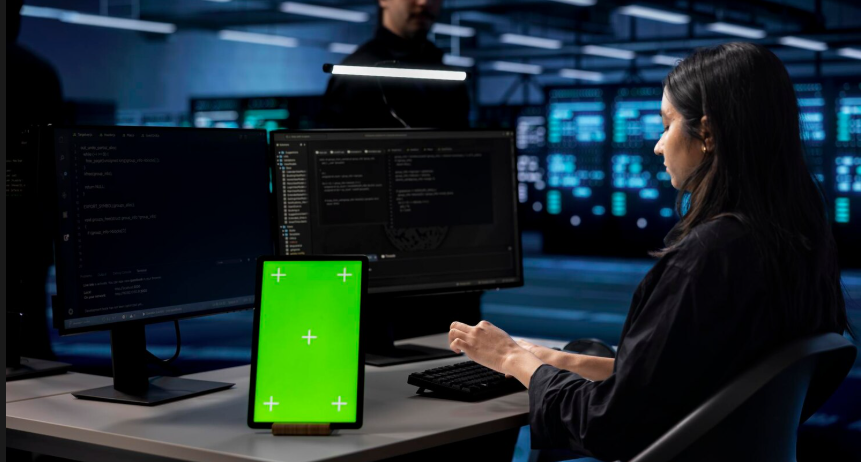
    Apple’s Hidden Server Farm
    Apple’s Hidden Server Farm

    Doubts persist, though. When you consider all the ways software is silently updated in production, the nodes’ ability to restart and wipe themselves in between requests may seem comforting. Researchers will be able to examine the photos, according to Apple. The next year or two will show whether they can, in reality. The promises of transparency might come to pass. Small things can also go unnoticed, as they frequently do.

    As you watch this develop, you’ll notice how much of it is influenced by Apple’s current reputation. For fifteen years, the company told consumers that their iPhone was a stronghold. It must now expand that narrative into the cloud, where there are more dangers and different regulations. Apple’s models are becoming larger, and the on-device processing pitch is only effective up until that point. There had to be a compromise.

    Underneath it all is an irony. By all accounts, the explosion of generative AI has been a privacy catastrophe. Businesses have taken advantage of the open web, trained on private repositories, and released products that reveal user prompts in unexpected ways. Apple is attempting to write a different opening chapter despite being late to the party. It’s important to keep an eye on whether the rest of the industry imitates the architecture or just the marketing.

    Apple’s Hidden Server Farm
    Share. Facebook Twitter Pinterest LinkedIn Tumblr WhatsApp Email
    Previous ArticleMeet the CuBox-M: The Two-Inch PC Built for the Next Generation of Makers
    Next Article Quantum Computing Stocks IonQ, Rigetti, and D-Wave Just Soared 72% in Seven Trading Sessions. Here Is the Honest Assessment.
    Blaze Woodard

      Blaze Woodard, an editor at cubox-i.com, is presently working as an intern at a Silicon Valley technology company while majoring in politics at the University of Kansas. Blaze, who identifies as both a policy thinker and a self-described tech geek, offers a viewpoint on hardware and computing coverage that few editors in this field can match: the capacity to relate the workings of a circuit board to the larger political, regulatory, and social forces influencing the technology sector. Even though her academic path led her to political science, her early fascination with technology persisted. She writes about computing, AI, and hardware with the zeal of someone who truly loves the subject, not as someone assigned to cover it. Blaze plays soccer and spends her free time with friends and living her life, which is exactly what a college student should do outside of the office and newsroom.

      Related Posts

      Why Earning an AI Certification is the Ultimate Professional Pivot for 2026

      April 25, 2026

      Quantum Computing Stocks IonQ, Rigetti, and D-Wave Just Soared 72% in Seven Trading Sessions. Here Is the Honest Assessment.

      April 25, 2026

      Inside the Server Room: Discovering the Most Used OS on Servers Today

      April 25, 2026

      Inside Server Rooms: Which Is Most Used Programming Language for Servers OS Today

      April 25, 2026
      Leave A Reply Cancel Reply

      You must be logged in to post a comment.

      Don't Miss
      All

      Quantum Algorithms Just Outperformed Deep Learning. The Paradigm is Shifting.

      By Blaze WoodardApril 25, 20260

      A refrigerator the size of a small car hums at temperatures lower than deep space…

      Why Earning an AI Certification is the Ultimate Professional Pivot for 2026

      April 25, 2026

      The Pick-and-Shovel Stocks Positioned for the Quantum-AI Convergence That Nobody on Wall Street Is Covering Yet

      April 25, 2026

      Quantum Computing Stocks IonQ, Rigetti, and D-Wave Just Soared 72% in Seven Trading Sessions. Here Is the Honest Assessment.

      April 25, 2026

      Apple’s Hidden Server Farm: The Secret Hardware Powering Private Cloud Compute

      April 25, 2026

      Meet the CuBox-M: The Two-Inch PC Built for the Next Generation of Makers

      April 25, 2026

      Inside the Server Room: Discovering the Most Used OS on Servers Today

      April 25, 2026
      About Us
      About Us

      Cubox-i.com is an independent technology publication that focuses on edge AI, industrial hardware, compact ARM computing, and the wider field of technology news that is important to engineers, developers, manufacturers, and knowledgeable readers in the US and abroad.

      Our Picks

      Quantum Algorithms Just Outperformed Deep Learning. The Paradigm is Shifting.

      April 25, 2026

      Why Earning an AI Certification is the Ultimate Professional Pivot for 2026

      April 25, 2026

      The Pick-and-Shovel Stocks Positioned for the Quantum-AI Convergence That Nobody on Wall Street Is Covering Yet

      April 25, 2026
      Dsclaimer

      Cubox-i.com publishes content about markets, finance, investments, and economic issues solely for educational and informational purposes. It’s not financial guidance. Opinion pieces and analysis from independent industry leaders and commentators are regularly published by us; however, these viewpoints are presented as those of the contributors and do not represent cubox-i.com’s recommendations.

      We’re It is highly advised that readers consult a qualified, licensed financial advisor before making any financial decisions based on information found on this website, including purchasing, selling, or holding any investment, asset, or financial product.

      Facebook X (Twitter) Instagram Pinterest
      • Homepage
      • Privacy Policy
      • Terms of Service
      • Disclaimer
      • About Us
      • Cubox
      • News
      • Technology
      © 2026 ThemeSphere. Designed by ThemeSphere.

      Type above and press Enter to search. Press Esc to cancel.