

Someone made a choice somewhere in the offices of the Utah Department of Commerce that would subtly disturb the American medical establishment. They entered into an agreement with Doctronic, an AI startup, and introduced a chatbot that could renew prescriptions for almost 200 medications without informing the medical community. The program was operational and being used by Utahns by the time the Utah Medical Licensing Board learned about it.
This particular detail—the board only becoming aware of the program after patients started using it—is at the heart of a disagreement that has become much more heated since April. Eleven of the fourteen doctors on the board signed a formal letter requesting the program’s immediate suspension, stating that moving forward without their input “potentially places Utah citizens at risk.” People are drawn to this type of language, and it succeeded in doing so.
Instead of having to wait days for a doctor’s appointment, residents can now chat with an AI agent online and receive routine prescription renewals in minutes thanks to the program, which was introduced under a regulatory exemption framework that Utah has been discreetly developing for AI applications. There is some appeal to the reasoning. Prescription renewals make up about 80% of all medication activity in the nation, and medication noncompliance results in significant costs and avoidable health crises. On paper, getting people their antidepressants or blood pressure medication without a bureaucratic bottleneck seems like the perfect problem for technology.
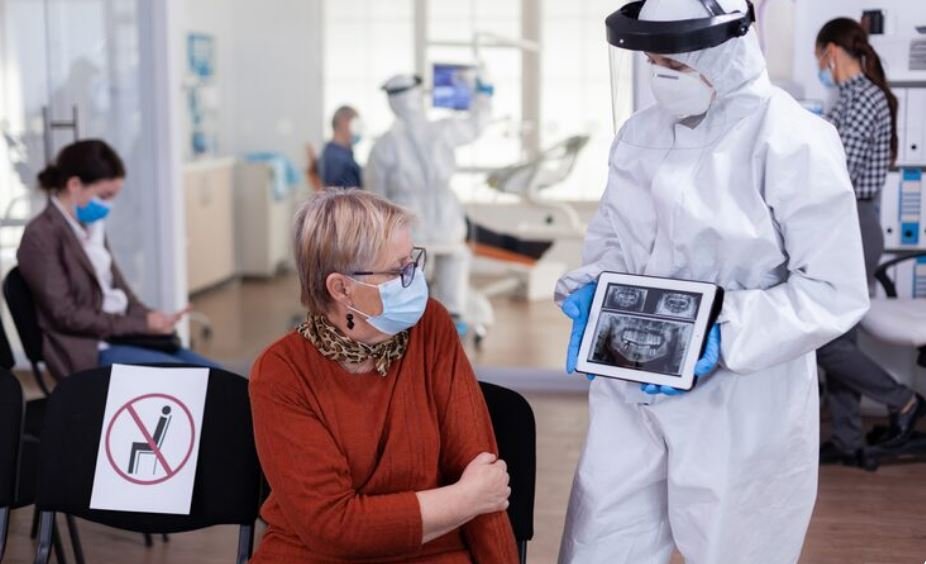
However, the medical board’s concerns go beyond practicality. The board contends that every prescription renewal is also a clinical reevaluation, where a doctor may discover that a patient’s condition has changed, that a new drug interaction has surfaced, or that a medication is just no longer effective. Patients could continue receiving antiquated or ineffective treatments for months or even years without anyone noticing if that human checkpoint is removed. The board stated, “There is a reason prescription refills require physician authorization,” and as you read it, it’s difficult not to feel the weight of that silent frustration—doctors witnessing a system they’ve worked so hard to build circumvented without even a phone call.
State representatives retaliated. They insisted that medical experts were consulted prior to launch and that each AI-generated renewal in the program’s initial phase is examined by a licensed physician before it reaches a pharmacy. They added that the board serves as an advisory body and was not legally obligated to be informed. That specific distinction didn’t go well. Michelle McOmber, CEO of the Utah Medical Association, expressed different worries regarding liability: who is responsible if something goes wrong with a refill issued under the original physician’s name without that physician’s involvement?
For its part, Doctronic has defended the program’s structure, citing a thorough progression of safeguards incorporated into the pilot design and physician oversight in the current phase. Michelle Mello of Stanford Law reviewed the program and said it was reasonably well-designed, but she added a term worth considering: “scope creep.” She pointed out that once an AI system gains initial acceptance, vendors can release updates that increase its capabilities without drawing the same level of scrutiny as the initial launch. It’s an issue that goes far beyond Utah.
The program has not been suspended by the state. Officials have stated that they are willing to include the medical board in later stages and that they have the power to change or cancel it if safety standards are not met. It’s really unclear if anyone is satisfied with that assurance. Representative David Schweikert’s federal bill, which would permit AI systems authorized by the FDA and state governments to be eligible as licensed prescribers under federal law, is already in circulation. This suggests that whatever Utah is currently testing is more akin to a national preview than a local experiment.
Observing this unfold gives me the impression that the true dispute isn’t about these 192 drugs or this specific chatbot. It concerns who has the authority to determine how quickly medications change and whether those in charge are required to consult doctors before making any decisions.
