
Close Menu
Cubox-iCubox-i

    Subscribe to Updates

    Get the latest creative news from FooBar about art, design and business.

    What's Hot

    Beyond the Raspberry Pi: Why Developers Are Flocking to the CuBox Ecosystem

    April 27, 2026

    Why Hyperscalers Are Devouring 30% of Global Memory Chip Supply

    April 27, 2026

    The Next Trillion-Dollar Company Won’t Build AI Models—It Will Build the Servers

    April 27, 2026
    Facebook X (Twitter) Instagram
    Cubox-iCubox-i
    Subscribe
    • Homepage
    • Privacy Policy
    • Terms of Service
    • Disclaimer
    • About Us
    • Cubox
    • News
    • Technology
    Cubox-iCubox-i
    • Home
    • Buy Now
    Home»Technology»Android TV Stick Showdown: Why the Tiny Box on Your TV Just Got a Lot More Complicated
    Technology

    Android TV Stick Showdown: Why the Tiny Box on Your TV Just Got a Lot More Complicated

    Blaze WoodardBy Blaze WoodardApril 27, 2026No Comments4 Mins Read
    Facebook Twitter Pinterest LinkedIn Tumblr WhatsApp VKontakte Email
    Share
    Facebook Twitter LinkedIn Pinterest Email

    Millions of televisions in Pakistan are currently powered by a tiny black plastic stick, and the majority of those who purchase one hardly give it much thought. The story ends when they plug it in and access YouTube or Netflix. However, it turns out that the plot is becoming more intriguing.

    The variety is nearly overwhelming when you visit a store in Kohinoor City, Faisalabad, or look through the listings on AlhamdTech. The price of the Mi TV Stick 4K is approximately Rs 12,800. The more recent Mi TV Stick 4K 2nd Gen has a slightly higher push. Once thought to be the clear premium choice, Amazon’s Fire TV Stick 4K Max now costs about Rs 16,700.

    InformationDetails
    CategoryStreaming Media Devices
    Popular Models in PakistanMi TV Stick 4K, Amazon Fire TV Stick 4K Max, Chromecast with Google TV, Apple TV 4K
    Price Range (PKR)Rs 11,000 – Rs 49,990
    Leading RetailerAl Hamd Tech, Faisalabad-based electronics seller
    Top-Selling BrandXiaomi (Mi TV Stick & Mi TV Box series)
    Operating SystemsAndroid TV, Google TV, Fire OS (legacy), Vega OS (new)
    Resolution Support1080p, 4K HDR, Dolby Vision
    ConnectivityHDMI, Wi-Fi 5/6/6E, Bluetooth
    Notable 2024–2025 ShiftAmazon transitioning Fire TV Sticks from Fire OS to Vega OS
    Average Delivery Time in Pakistan2–4 working days nationwide
    WarrantyTypically 6 to 12 months, brand-dependent

    Then there is the Apple TV 4K, which costs more than Rs 49,000, and the Google TV Streamer 4K, which costs Rs 32,500. These prices are still high for what is essentially a small box. Despite the market’s purported saturation, investors in streaming hardware appear to think these devices are still growing. There’s a feeling that Pakistan is rapidly catching up to a global trend, albeit a few years late.

    However, the price isn’t really the interesting part. It’s what’s going on beneath the shell. Fire OS, an Android-based operating system that silently allowed users to sideload apps, such as Kodi, custom launchers, and yes, a ton of apps that streamed pirated content, powered Fire TV Sticks for over ten years. One aspect of the appeal was that transparency. People in Islamabad, Karachi, and Lahore weren’t always interested in what Amazon’s Appstore had to offer.
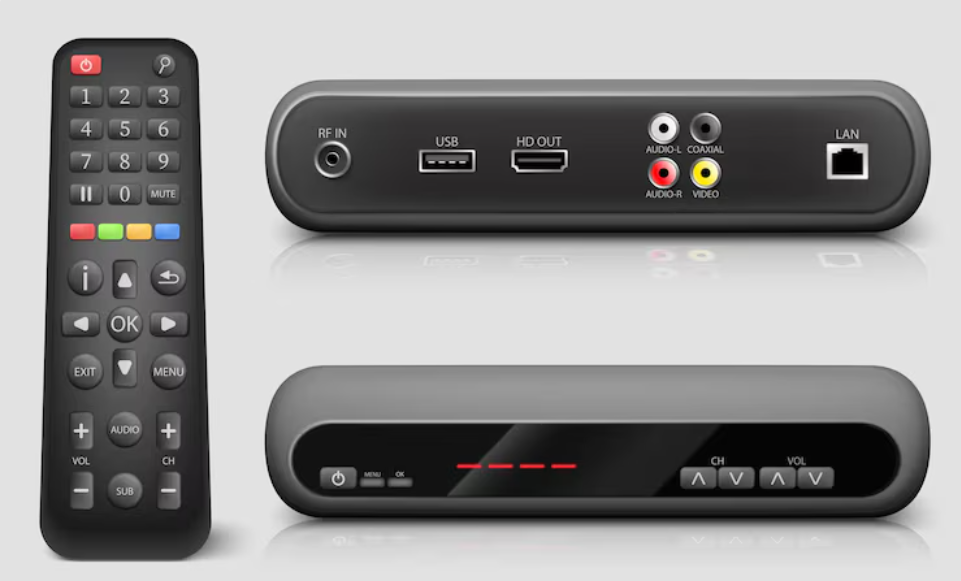
    Android TV Stick Showdown
    Android TV Stick Showdown

    What worked was what they desired. For its part, Amazon has finally had enough. The company started releasing Vega OS, a Linux-based system that completely disregards sideloading, with the Fire TV Stick 4K Select in October of last year. Amazon has now confirmed that Vega will run on all upcoming Fire TV Sticks.

    It’s difficult to ignore the timing. The Alliance for Creativity and Entertainment had been putting pressure on streaming hardware manufacturers for years, and piracy on Fire Sticks had become a common joke. By making sideloading impossible, Vega OS provides the cleanest solution to that issue. Installing anything outside of Amazon’s official store will not be possible for customers. This will be perceived by some customers as Amazon acting responsibly at last. Some will perceive it as the gradual suffocation of a gadget that gained popularity due to its non-walled garden behavior.

    In the meantime, Xiaomi is quietly winning the budget tier, as it usually does. The Mi TV Stick is still one of the most popular gadgets among Pakistani consumers, in part because it still functions as a legitimate Android TV and in part because it is less expensive than dinner for four at a good restaurant. For years, the Mi TV Box 3rd Gen, which costs about Rs 18,300, has been competitive.

    As you watch this happen, you begin to wonder if Amazon’s Vega shift might unintentionally give Google TV-based devices—like Chromecast, Mi Stick, and the Walmart streaming box that is gradually making its way into the market through grey channels—more market share. Online discussion boards such as XDThe Vega rollout has been monitored by developers with a mixture of quiet alarm and curiosity.

    As of right now, the Fire TV Stick 4K Plus and 4K Max are still available for purchase, continue to run Fire OS, and receive updates through 2030, according to Amazon. Thus, sideloading is not yet obsolete. However, it’s possible that in five years, consumers purchasing Fire Sticks won’t even be familiar with sideloading. The average buyer hardly notices the gradual shift in the market. A tiny black stick. a fresh operating system. A peaceful conclusion to something that users had taken for granted.

    Android TV Stick Showdown Android TV Stick Showdown 2026
    Share. Facebook Twitter Pinterest LinkedIn Tumblr WhatsApp Email
    Previous ArticleLinux Distros Ready for 2026: Why Ubuntu, Fedora, and Debian Still Lead the Pack
    Next Article Inside the Cubox Lineup: The Tiny Machines and Big Ambitions Behind a Korean Tech Story
    Blaze Woodard

      Blaze Woodard, an editor at cubox-i.com, is presently working as an intern at a Silicon Valley technology company while majoring in politics at the University of Kansas. Blaze, who identifies as both a policy thinker and a self-described tech geek, offers a viewpoint on hardware and computing coverage that few editors in this field can match: the capacity to relate the workings of a circuit board to the larger political, regulatory, and social forces influencing the technology sector. Even though her academic path led her to political science, her early fascination with technology persisted. She writes about computing, AI, and hardware with the zeal of someone who truly loves the subject, not as someone assigned to cover it. Blaze plays soccer and spends her free time with friends and living her life, which is exactly what a college student should do outside of the office and newsroom.

      Related Posts

      Why Hyperscalers Are Devouring 30% of Global Memory Chip Supply

      April 27, 2026

      The Environmental Cost of America’s AI Server Boom—And How to Fix It

      April 27, 2026

      Argonne National Laboratory Just Expanded America’s AI Infrastructure With New Supercomputers and Public-Private Partnerships

      April 27, 2026

      Wall Street Job Cuts Spike as Generative AI Takes Over Financial Modeling

      April 27, 2026
      Leave A Reply Cancel Reply

      You must be logged in to post a comment.

      Don't Miss
      Cubox

      Beyond the Raspberry Pi: Why Developers Are Flocking to the CuBox Ecosystem

      By Blaze WoodardApril 27, 20260

      These days, you encounter a certain type of developer at audio meetups and home-lab forums:…

      Why Hyperscalers Are Devouring 30% of Global Memory Chip Supply

      April 27, 2026

      The Next Trillion-Dollar Company Won’t Build AI Models—It Will Build the Servers

      April 27, 2026

      Why the U.S. Defense and Industrial Sector Is Looking Hard at Compact ARM Computers Like the CuBox-i

      April 27, 2026

      The Environmental Cost of America’s AI Server Boom—And How to Fix It

      April 27, 2026

      Argonne National Laboratory Just Expanded America’s AI Infrastructure With New Supercomputers and Public-Private Partnerships

      April 27, 2026

      Why the CuBox-i Is the Answer to the Question Every Industrial Developer Is Asking About Edge Hardware

      April 27, 2026
      About Us
      About Us

      Cubox-i.com is an independent technology publication that focuses on edge AI, industrial hardware, compact ARM computing, and the wider field of technology news that is important to engineers, developers, manufacturers, and knowledgeable readers in the US and abroad.

      Our Picks

      Beyond the Raspberry Pi: Why Developers Are Flocking to the CuBox Ecosystem

      April 27, 2026

      Why Hyperscalers Are Devouring 30% of Global Memory Chip Supply

      April 27, 2026

      The Next Trillion-Dollar Company Won’t Build AI Models—It Will Build the Servers

      April 27, 2026
      Dsclaimer

      Cubox-i.com publishes content about markets, finance, investments, and economic issues solely for educational and informational purposes. It’s not financial guidance. Opinion pieces and analysis from independent industry leaders and commentators are regularly published by us; however, these viewpoints are presented as those of the contributors and do not represent cubox-i.com’s recommendations.

      We’re It is highly advised that readers consult a qualified, licensed financial advisor before making any financial decisions based on information found on this website, including purchasing, selling, or holding any investment, asset, or financial product.

      • Homepage
      • Privacy Policy
      • Terms of Service
      • Disclaimer
      • About Us
      • Cubox
      • News
      • Technology
      © 2026 ThemeSphere. Designed by ThemeSphere.

      Type above and press Enter to search. Press Esc to cancel.